What a shareholders' agreement actually is
A shareholders' agreement is just a written record of decisions the owners have already made about how they will own something together. That is all. It is not magic, and it is not the place where the thinking happens. The thinking is supposed to happen first.
When families call a lawyer too early, they are really asking the lawyer to make decisions that belong to the family. The lawyer will offer standard clauses, the family will nod at language they do not fully follow, and everyone signs. Years later, when a real disagreement hits, no one remembers what they agreed or why. We have sat with families who inherited an agreement their parents signed and had never once read.
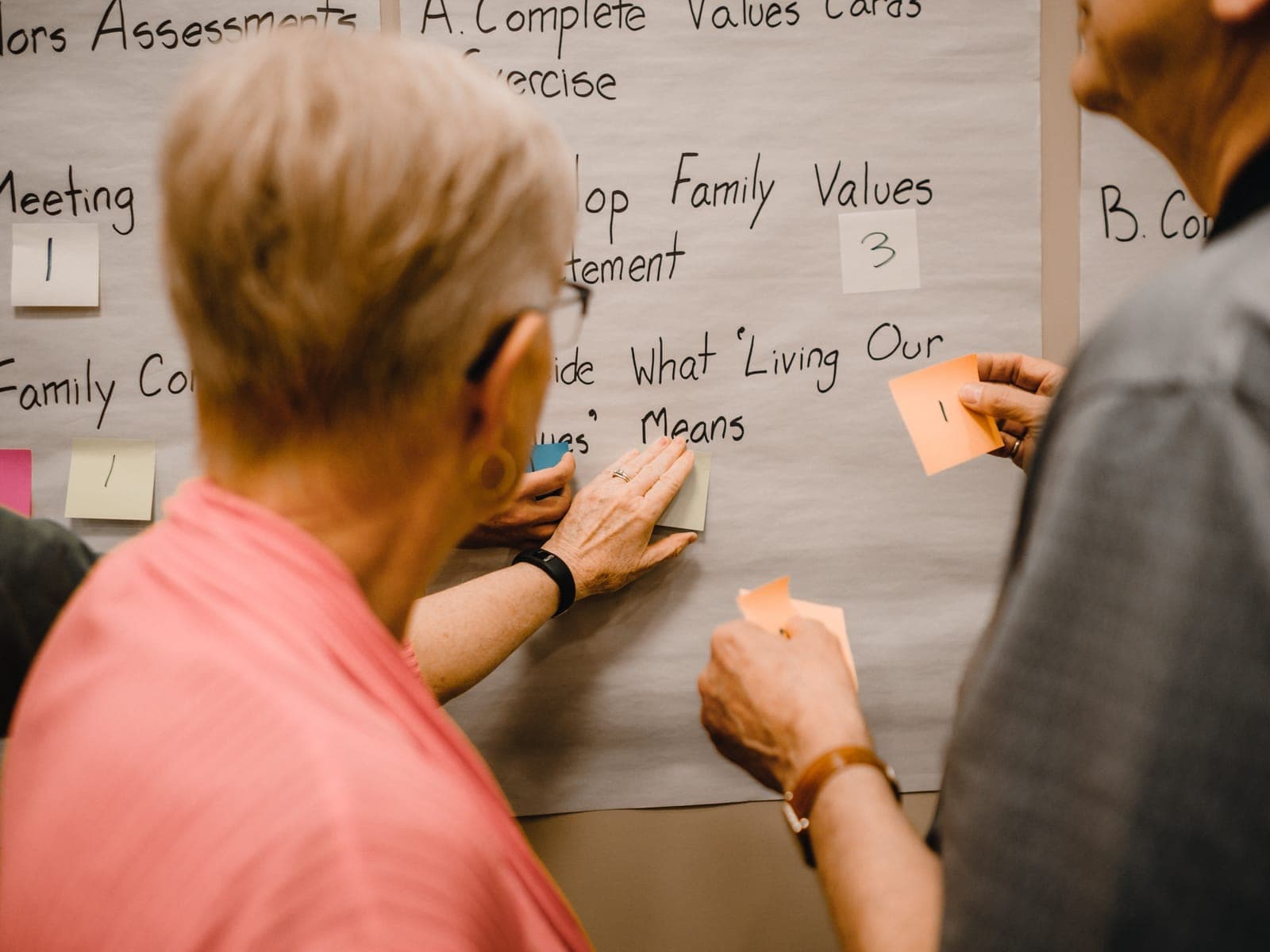
So before you call anyone, settle a handful of questions in plain words at your own table. Here are the ones that matter most.
A lawyer can draft any agreement you want. The hard part is knowing what you want, and that is a family decision, not a legal one.
How does someone get out?
This is the question families most want to avoid and most need to answer. One day, someone will want out: for money, for health, for a marriage, for a falling-out, or simply because their life went a different way. If you have not agreed how that works in advance, you will be negotiating it at the worst possible moment, when feelings are high and trust is low.
Decide, in plain language: Can an owner sell their shares? To whom? Can they sell to an outsider, or only back to the family? How do you set the price, and who pays for the valuation? Do other owners get first right to buy? What happens in a divorce, so that shares do not walk out the door with an ex-spouse? You do not need legal wording for any of this yet. You need the family to agree what should happen.
Who decides what, and when do you need everyone to agree?
Not every decision should need every owner's yes. If it does, one person can freeze the whole company by saying no. But some decisions are big enough that you want everyone on board: selling the business, taking on major debt, bringing in a new owner, changing what the company even does.
Sort your decisions into rough buckets. Day-to-day calls that whoever runs the business just makes. Bigger calls that need a majority of owners. And a short list of the truly fundamental ones that need everyone. Get that list right at the kitchen table and most future standoffs never happen, because the rules were clear before anyone was angry.
Does owning mean working here?
Families constantly tangle two different things: owning the business and working in the business. They are not the same, and pretending they are causes real damage. A child can own shares and never set foot in the office. Another can run the place and own nothing yet. Both arrangements are fine. What is not fine is leaving it unspoken.
Settle the principle plainly. Is ownership tied to working here, or can family own shares while building a life elsewhere? If someone works in the business, are they paid a fair market wage for the job, separate from anything they receive as an owner? Mixing those two (paying someone as an owner for doing a job, or as an employee for being family) is one of the most reliable ways to breed resentment between siblings.
What happens when an owner dies?
It is uncomfortable, which is exactly why it gets skipped. But every shareholders' agreement has to answer it, because it will happen. When an owner dies, where do their shares go? To their spouse? Their children, whether or not those children are involved in the business? Back to the other owners?
Think it through now, while it is hypothetical. Do you want shares passing to in-laws and grandchildren you have never worked alongside? Or do you want a way for the surviving owners to buy those shares so ownership stays with the people running things? There is no single right answer. There is only the answer your family chooses with intention, versus the one you back into by accident.
Then, and only then, call the lawyer
Once your family has settled these in plain language, the legal part gets genuinely easy. You walk into the lawyer's office knowing what you want, and their job is to translate your decisions into language that holds up. That is what lawyers are excellent at, and it is a far better use of their time and your money than asking them to referee a family that has not yet agreed.
We help families do the first part, the plain-language decisions about how they want to own the business together, before counsel ever drafts a word. We do not draft the agreement; your lawyer does that, and should. We make sure that when you instruct them, you instruct them with one clear, shared view. The next disagreement then gets settled in an afternoon, not a season.
The takeaway
Settle the ownership decisions in plain language first. The lawyer drafts your decisions; the lawyer cannot make them for you.